
TKIL Industries Advances Off-Grid Decarbonization with CME Pune’s Pioneering Green Hydrogen Microgrid
The Compliance Clock (The Risk)
India’s commitment to achieving net-zero emissions by 2070, aligned with its National Hydrogen Energy Mission (NHEM) and renewable energy expansion targets, is accelerating demand for innovative off-grid renewable solutions. The government has introduced stricter mandates for industrial stakeholders to reduce carbon footprints, particularly in hard-to-electrify sectors and remote locations where grid access is unreliable. These mandates include compliance with renewable purchase obligations (RPOs), green energy certificates (GECs), and incentives for green hydrogen adoption.
Failure to transition to low-carbon energy sources risks non-compliance penalties, reputational damage, and lost access to emerging green finance mechanisms. Corporations operating off-grid or in energy-constrained environments face an urgent deadline to adopt sustainable technologies that meet evolving statutory frameworks and reporting standards.
The Operational Blindspot (The Friction)
Conventional off-grid energy solutions typically rely on diesel generators or isolated solar power installations, both of which pose operational and environmental challenges. Diesel systems are carbon-intensive and increasingly non-compliant, while standalone solar installations lack the reliability and scalability required for industrial applications. Additionally, traditional energy management platforms often fail to integrate multiple renewable streams or provide real-time spatial intelligence on microgrid performance, creating data silos and audit difficulties.
These fragmented systems lack a unified control framework needed to optimize green hydrogen integration efficiently. Without an advanced, data-driven approach, companies grapple with balancing variable renewable output, hydrogen production/storage logistics, and off-grid loads. This friction hampers operational resilience and obscures carbon accounting, limiting the ability to meet comprehensive sustainability goals.
The Strategic Intervention (The Solution)
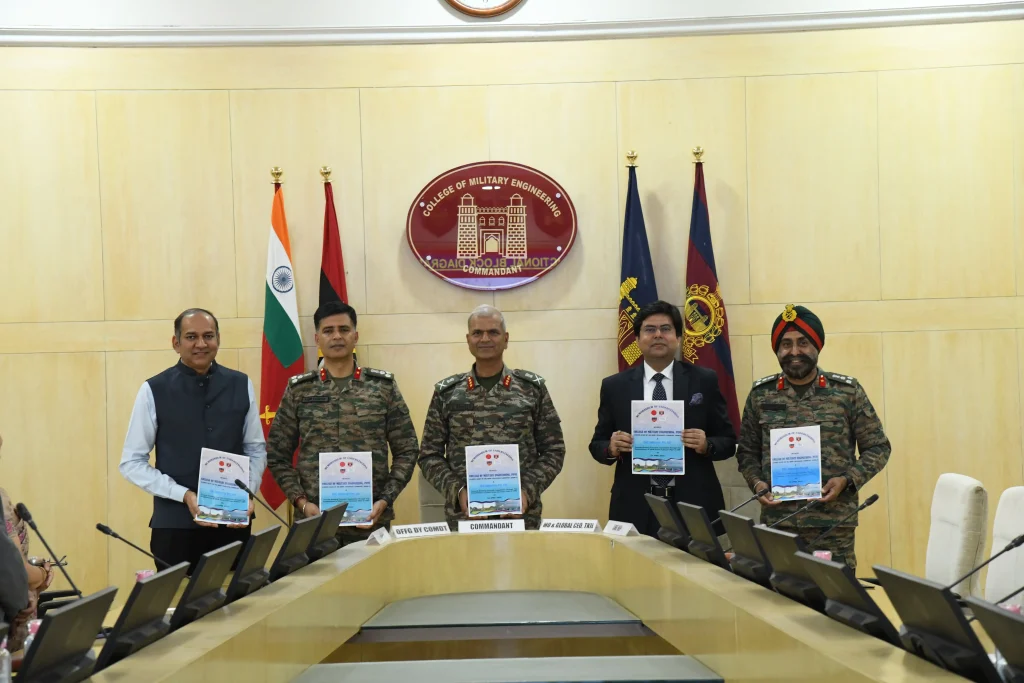
TKIL Industries’ collaboration with CME Pune to deploy a green hydrogen-powered microgrid exemplifies the next evolutionary step in renewable integration for off-grid industrial use cases. This solution leverages cutting-edge electrolyzer technology, powered by solar or wind resources, coupled with advanced microgrid controllers that manage real-time energy flows, hydrogen storage, and load balancing.
By integrating green hydrogen production directly into the microgrid architecture, TKIL and CME mitigate intermittency issues and provide a stable, dispatchable source of clean energy. The system employs IoT-enabled monitoring and spatial analytics to continuously optimize performance, reduce operational costs, and maintain a transparent audit trail for compliance verification.
This holistic engineering approach enables industrial operators in remote or energy-deficient locations to significantly reduce carbon emissions, minimize fuel dependency, and unlock new business models such as energy trading or hydrogen resale. The platform’s modularity ensures scalability and adaptability to evolving regulatory landscapes and corporate sustainability strategies.
Lgeom Greens Insight: For industrial leaders aiming to future-proof their energy infrastructure against compliance pressures and operational unpredictability, our specialized consulting services at Lgeom Greens offer the integrated expertise and cutting-edge solutions necessary to architect and implement green hydrogen microgrids that deliver measurable, sustained impact.
Source Intelligence: Read original documentation